

Our Focus
Biofrontera is a U.S.-headquartered biopharmaceutical company with a passion for treating dermatological conditions utilizing photodynamic therapy (PDT).
Actinic Keratosis
Actinic Keratosis at a Glance
Actinic keratosis (AK) is a common precancerous skin condition resulting from chronic UV exposure. Often appearing as rough, scaly patches that feel like sandpaper, AKs are easy to spot by touch. They usually develop on sun-exposed areas like the face, scalp, ears, and hands. While they may seem minor, AKs are important to treat as up to 10% may progress to squamous cell carcinoma (SCC).
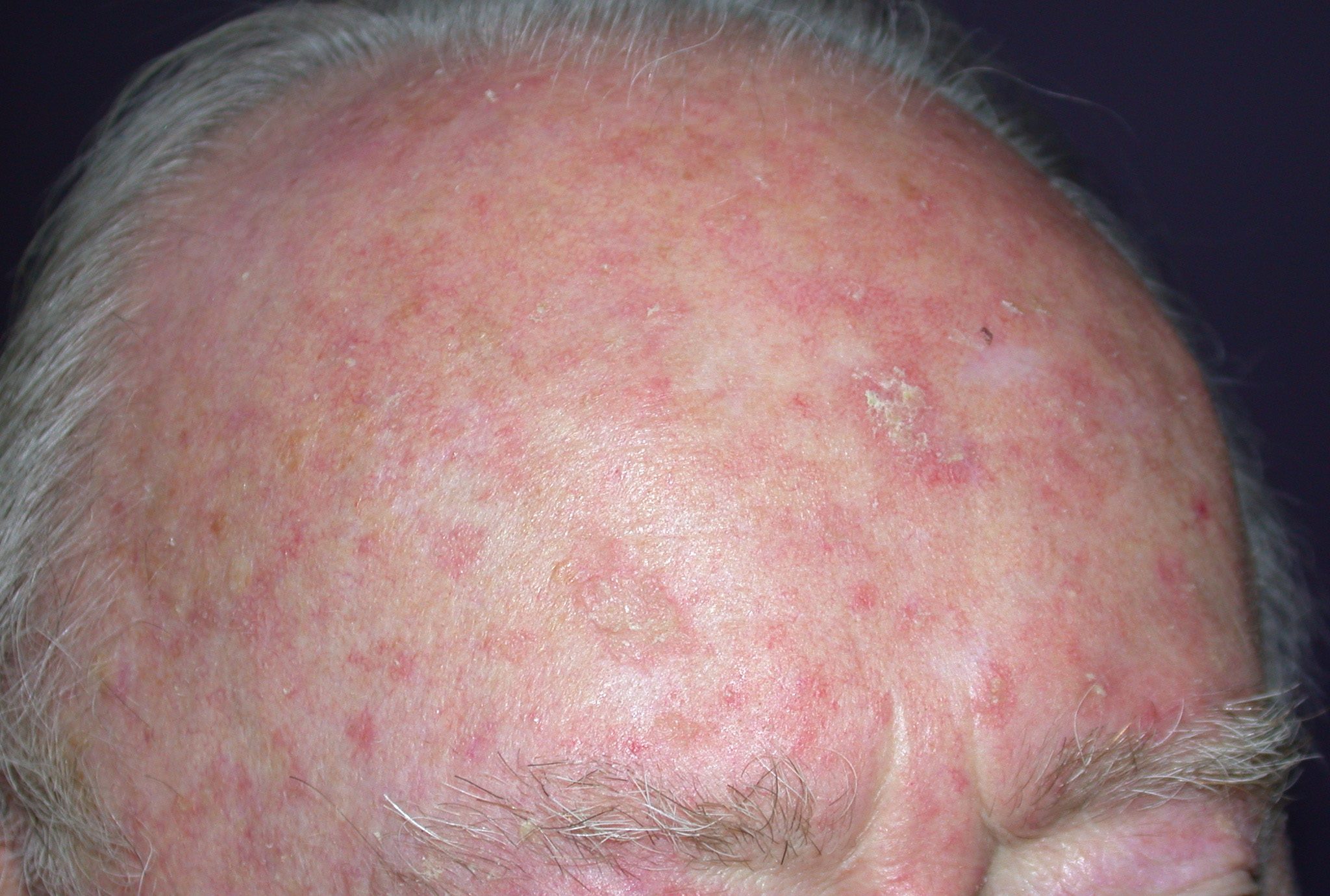
Actinic Keratosis on the face and scalp | Reproduced with permission from ©DermNet
Who is most at risk
AKs are most common in people with fair skin, particularly those with Fitzpatrick skin types I and II, especially when paired with prolonged or chronic UV exposure. Men face a higher risk, likely due to greater cumulative sun exposure over time. While AKs can occur in younger adults, they are more commonly seen in individuals aged 50 and older.
How widespread is it?
In the United States, more than 58 million people are affected by Actinic Keratosis, making it the most common precancerous skin condition. Globally, prevalence averages around 14%, with even higher rates in regions like Australia, where reported rates are as high as 40-60%.
Basal Cell Carcinoma
Basal Cell Carcinoma at a Glance:
Basal cell carcinoma (BCC) is the most common type of skin cancer, arising from the basal cells in the epidermis. They are usually slow growing and typically appear as pearly or flesh-colored bumps or red patches on sun-exposed parts of the body such as the face, ears, neck, scalp, shoulders, and back. Although mortality is low, BCC represents a substantial disease burden because of frequent recurrence, treatment costs, and the need for ongoing dermatologic monitoring.
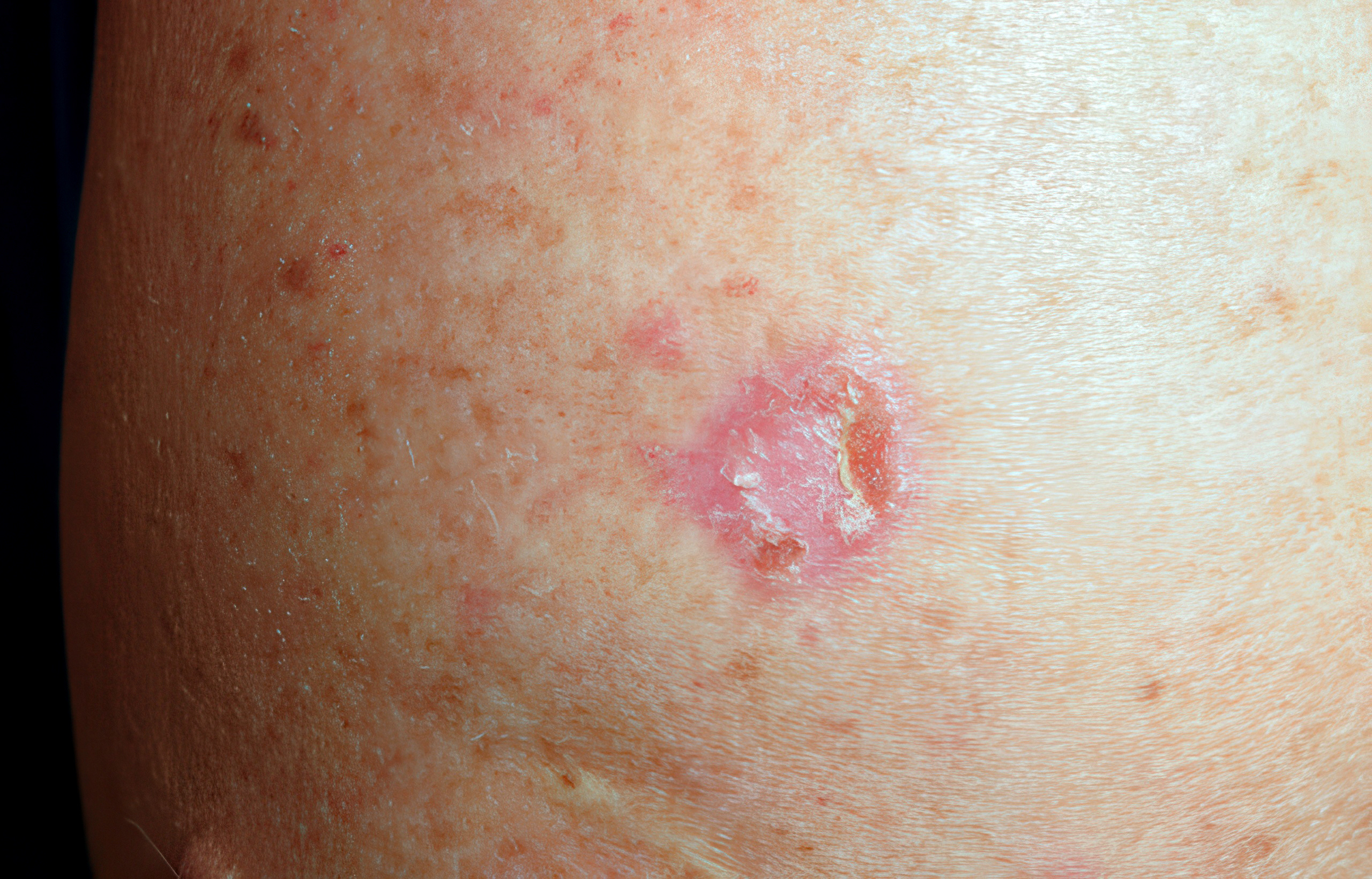
Superficial basal cell carcinoma on the arm | Reproduced with permission from ©DermNet
Who is most at risk
BCC is most common in fair-skinned people with chronic UV exposure. Men are slightly more affected than women, likely due to higher cumulative sun exposure. The risk increases with age, with most diagnoses occurring in individuals over 50. Other risk factors include a family history of skin cancer, a weakened immune system, and certain genetic conditions.
How widespread is it?
BCC is the most prevalent cancer in the United States, with over 3.6 million cases diagnosed annually. Globally, incidence continues to rise due to increased UV exposure and aging populations.
Acne Vulgaris
Acne at a Glance
Acne (also known as acne vulgaris) is a chronic, multifactorial skin condition that occurs when hair follicles become clogged with oil and dead skin cells. This causes increased sebum production and creates an environment where a naturally occurring skin bacteria (C. acnes) can multiply, triggering inflammation. Early changes in the follicles begin as microcomedones, which can develop into visible non-inflammatory lesions (blackheads or whiteheads) or inflammatory lesions such as papules, pustules, and cysts.
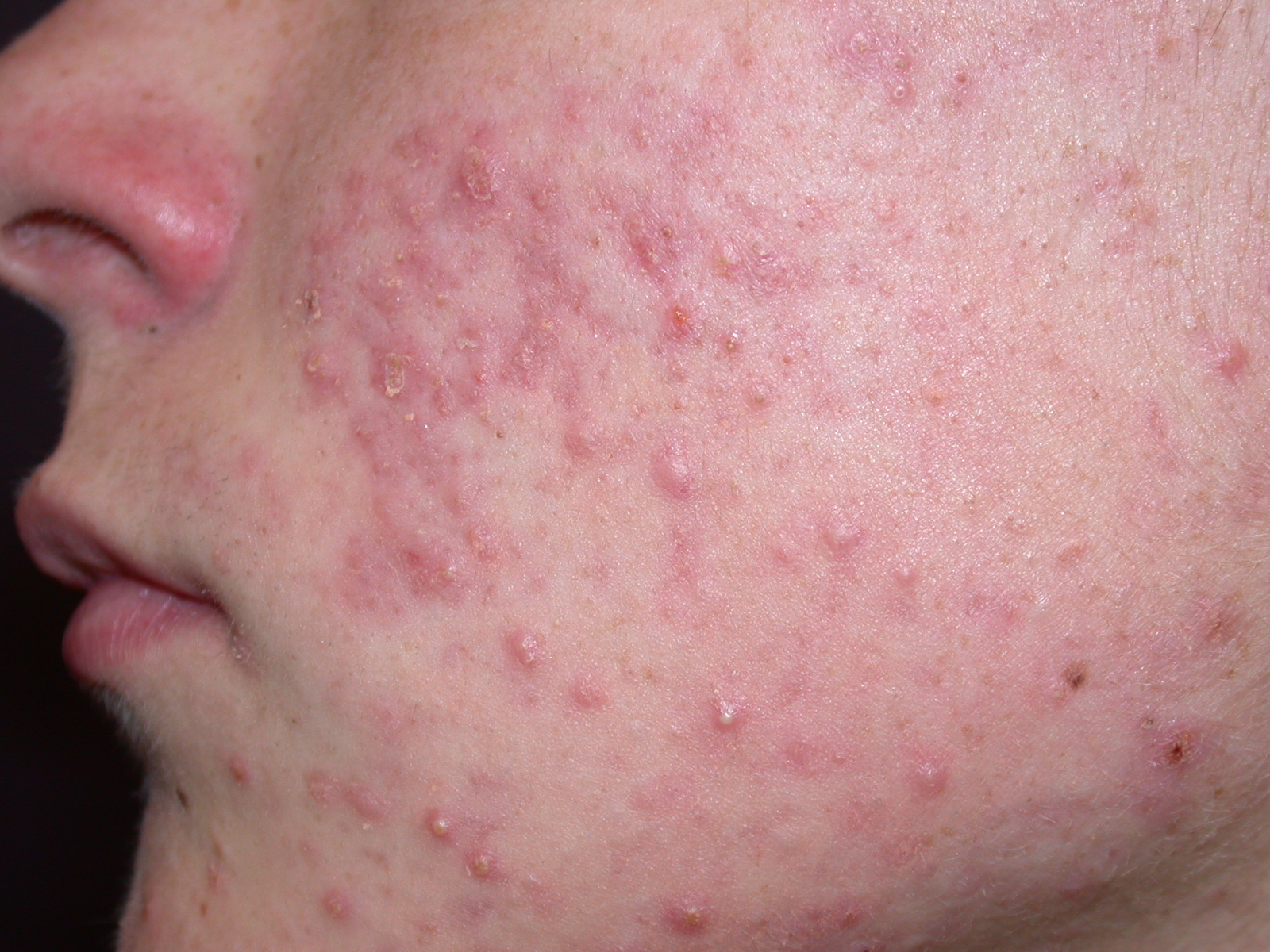
Acne vulgaris on the face | Reproduced with permission from ©DermNet 2026
Who is most at risk
Acne is most common during adolescence, with the highest rates between ages 15 and 20, largely driven by hormonal changes that increase oil production. However, acne can persist into adulthood or develop later in life, especially in women due to hormonal fluctuations, genetics, and environmental factors. Genetic predisposition is a significant risk factor, with a positive family history increasing the likelihood of developing severe, scarring forms of the disease.
How widespread is it?
In the United States, approximately 50 million people are affected by acne each year, making it one of the most common dermatological diagnoses in the country. Acne ranks as the eighth most prevalent disease globally, affecting about 9.4% of the world population. While acne affects 85% of individuals at some point during their youth, prevalence remains high in adulthood.